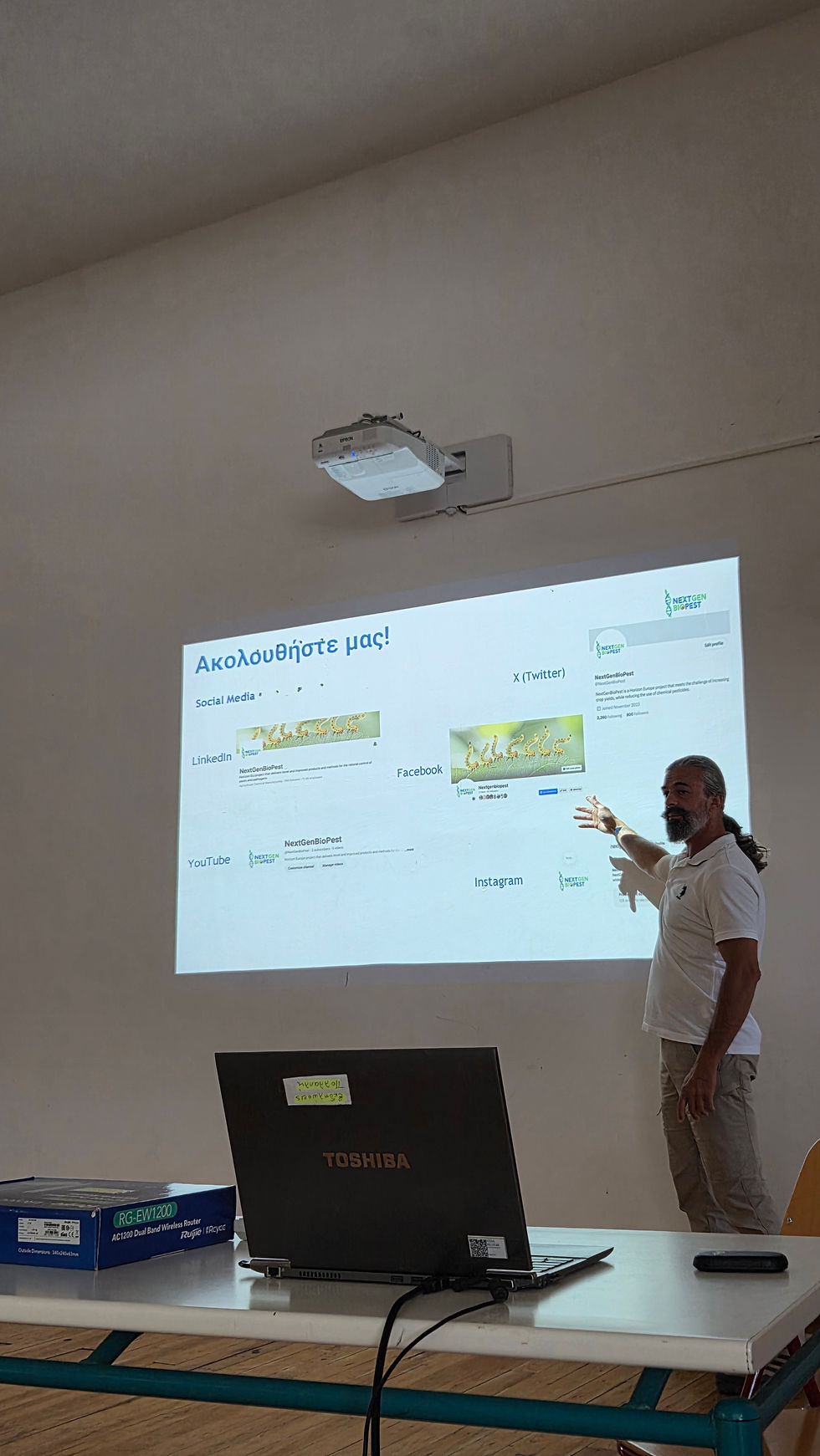
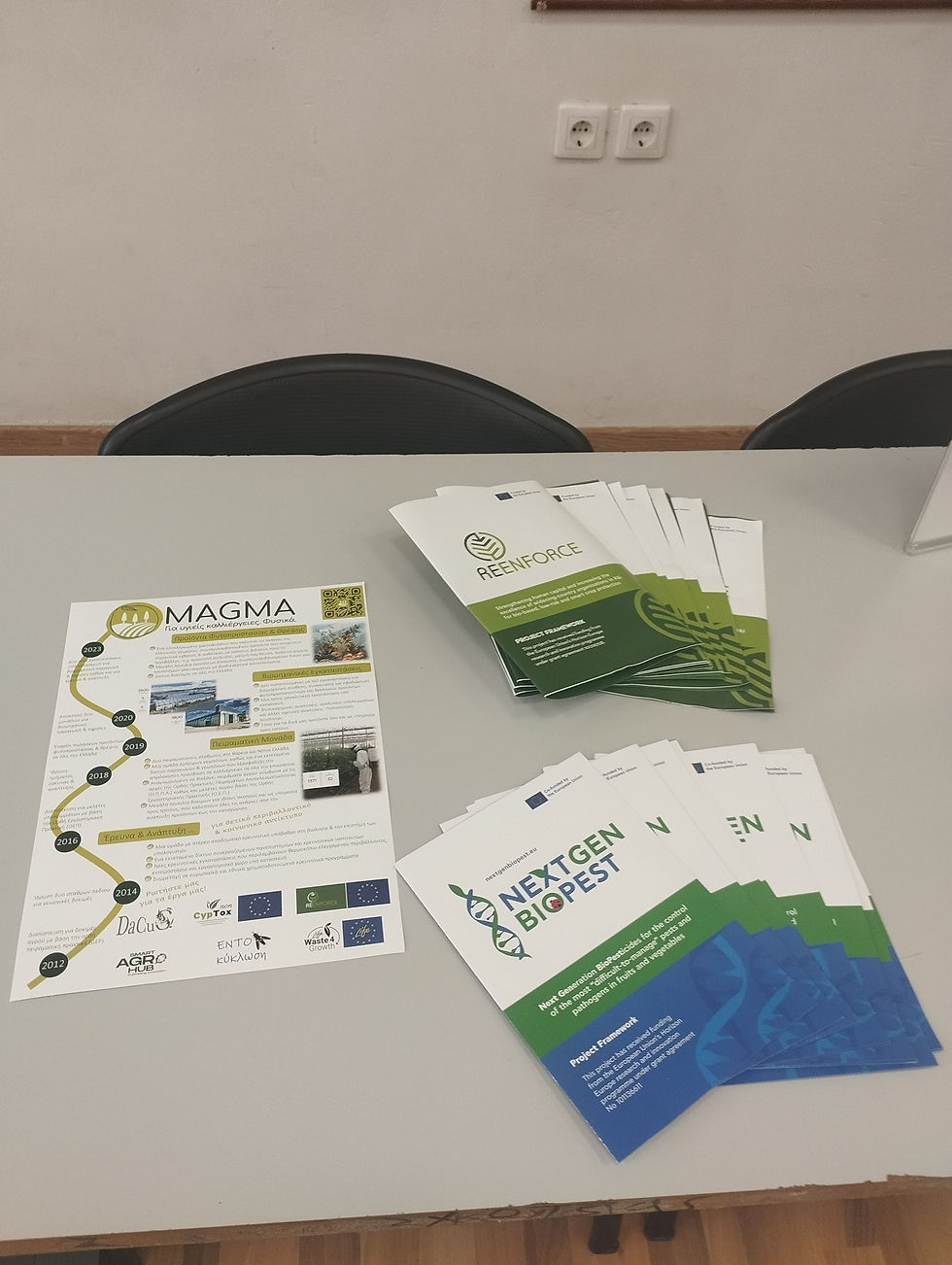
NextGenBioPest at the Open Day for Schools at Fraunhofer!
On October 3rd, 2026, our partner Fraunhofer Institute for Molecular Biology and Applied Ecology (Fraunhofer IME) opened its doors to school children for a special open day. The in-person event gave young visitors the chance to discover what research looks like from the inside and to learn about the kind of science that stands behind sustainable crop protection.
A First Look at Life in a Research Institute
For most children, the work of a research institute is hard to picture. What do scientists actually do all day? What does a laboratory look like? How do new solutions for farming and the environment come into being? An open day answers these questions in the most direct way possible: by letting students step inside, meet the researchers and see the work for themselves.
Fraunhofer IME is a research institute whose work connects molecular biology with applied ecology, and it plays an important role in NextGenBioPest, particularly in the development of RNA-based crop protection. Earlier this year, the institute welcomed a German Federal Minister to Giessen to discuss this very technology, showing the range of audiences it reaches, from national policymakers to the youngest members of the public.
Why Reaching Students Matters
The challenges that NextGenBioPest addresses, including reducing the use of conventional pesticides, protecting biodiversity and securing food production, will not be solved in a single project cycle. They will need new generations of scientists, farmers, advisors and entrepreneurs who understand both the problems and the tools available to solve them.
Events like this one help to plant the first seeds. A child who sees a laboratory, talks with a researcher and learns that science can help protect both crops and nature may be more likely to consider a career in this field, or at the very least to grow up with a positive view of research and its role in society. Students also share what they have seen with family and friends, extending the reach of the project beyond the day itself.