INAGRO Engages Agricultural Education Coordinators!
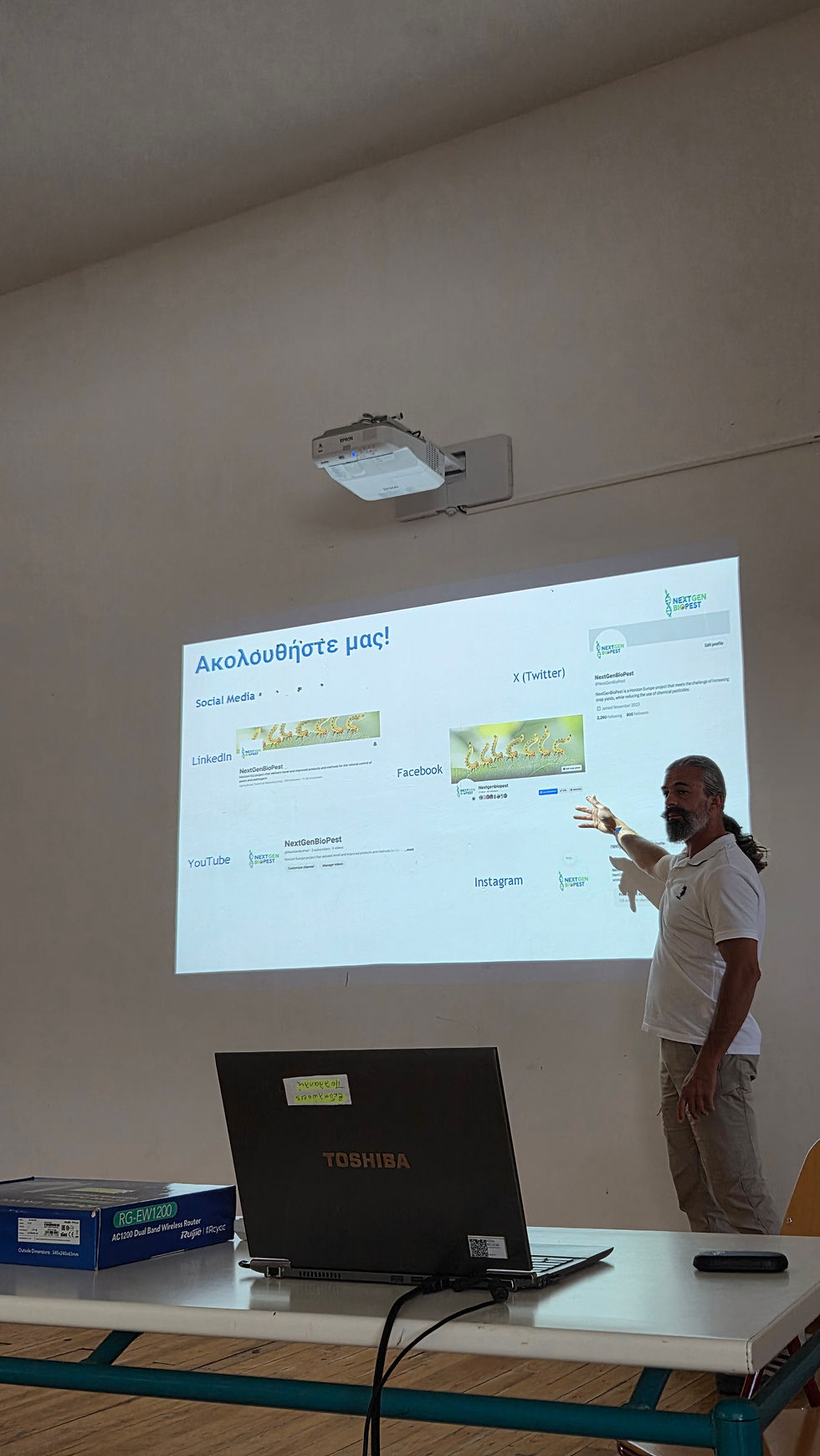
On March 26th, 2026, our partner Inagro took NextGenBioPest beyond the research facility and into the educational landscape, hosting an in-person visit with regional coordinators for agricultural education to promote the project and broader scientific research activities to schools across the region.
The meeting brought together key figures from regional authorities responsible for shaping agricultural education curricula and outreach at the school level — making it a strategic opportunity to plant the seeds of awareness about sustainable pest management among younger audiences and the educators who guide them.
During the visit, Inagro presented the NextGenBioPest project and its overarching goals, highlighting how next-generation biopesticide research is actively contributing to a greener, more resilient agricultural future. The conversation extended beyond the project itself, encompassing the wider landscape of innovative research activities being carried out at Inagro's facilities — offering coordinators a rich picture of what modern agricultural science looks like in practice.
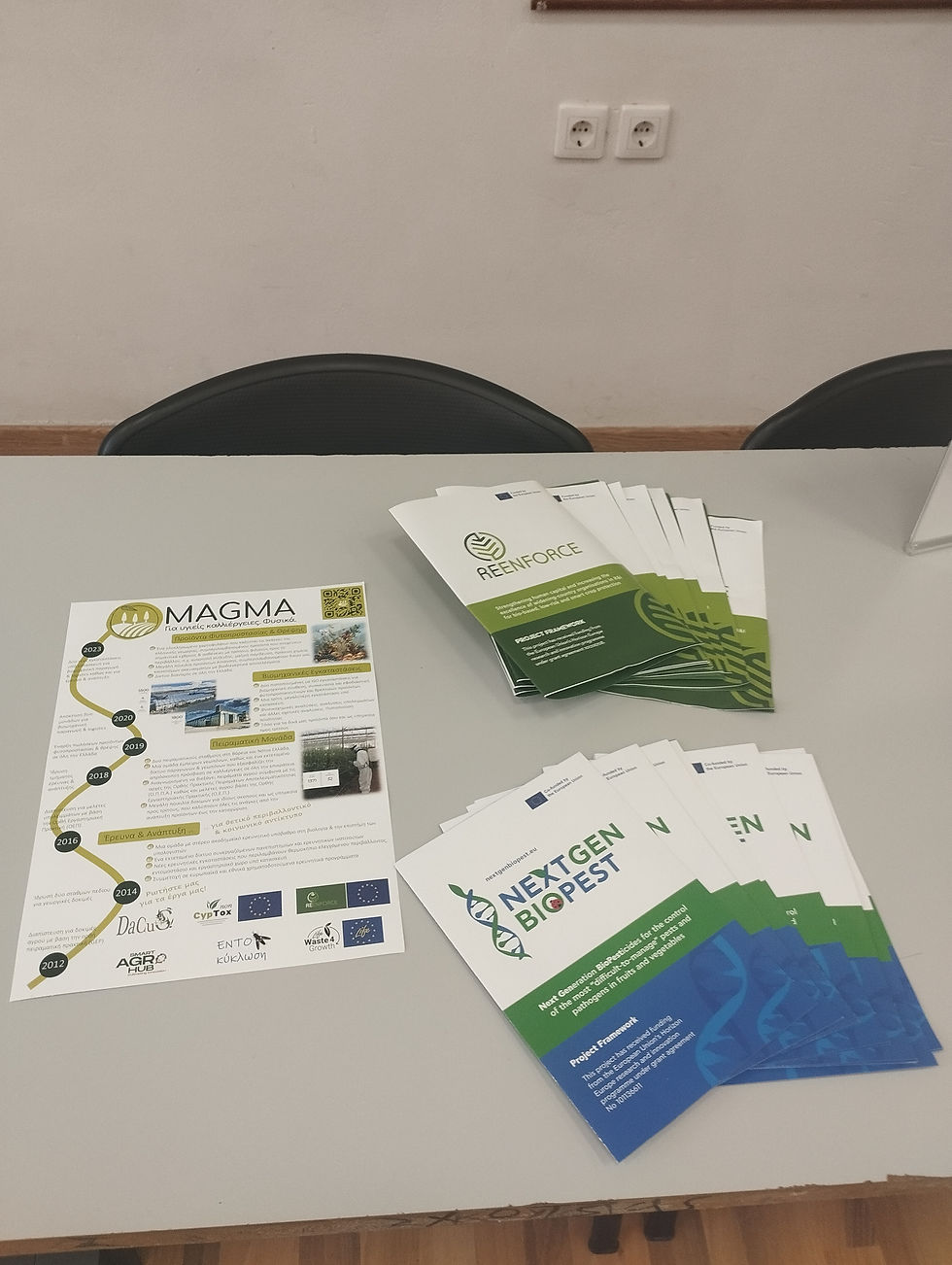
The primary outcome of the visit was clear: to promote NextGenBioPest and agricultural research as inspiring, relevant topics that can meaningfully enrich school-level education. By engaging regional coordinators directly, Inagro positioned the project as a resource that schools across the region can draw upon — whether through future visits, educational materials, or integration into classroom discussions on sustainability and food systems.
This initiative aligns with NextGenBioPest's ongoing commitment to public engagement and science communication, ensuring that the project's work resonates not only within the scientific community, but also with the citizens and students of tomorrow.